

Jordan Marine Construction builds engineered bridges that span creeks, ravines, ponds, and wetlands for residential, HOA, commercial, and municipal clients across Greater Houston. From pedestrian footbridges to spans rated for light vehicles and equipment, every bridge is designed for the load it will carry and the conditions it will face.
We bring marine pile-driving capability to dry-land and waterway crossings alike, producing crossings that are safe, durable, and visually in keeping with the surrounding landscape.
Request Your Free EstimateOur Bridges Process
-
Span & Load Assessment
We measure the crossing, define the intended load (pedestrian, golf cart, light vehicle, equipment), and assess soil and bank conditions.
-
Engineered Design
We produce a bridge design with foundation, framing, and decking specs sized to the span and load, plus any required permitting.
-
Foundation & Piles
We drive or set piles and build abutments to carry the span on stable footings.
-
Framing, Decking & Rails
We frame the deck, install decking and handrails, and finish for safety and appearance.
Materials & Engineering
Bridges are built on marine-grade pilings and heavy treated timber, or steel where the span and load require it. Timber is treated to the appropriate retention for its exposure, and connections use hot-dip galvanized hardware. Larger or vehicle-rated spans are engineered to the specified load.
Private and Community Bridges, Engineered Like Public Ones
A bridge is the one structure on a property where 'probably strong enough' is not an acceptable engineering standard. Whether it spans a creek on a ranch drive, a ravine on a golf cart path, or a wetland on an HOA trail, the span must be designed for its real load — pedestrians, carts, mowers, light vehicles, or emergency equipment — with foundations that won't wash out in the floods that Texas creeks deliver.
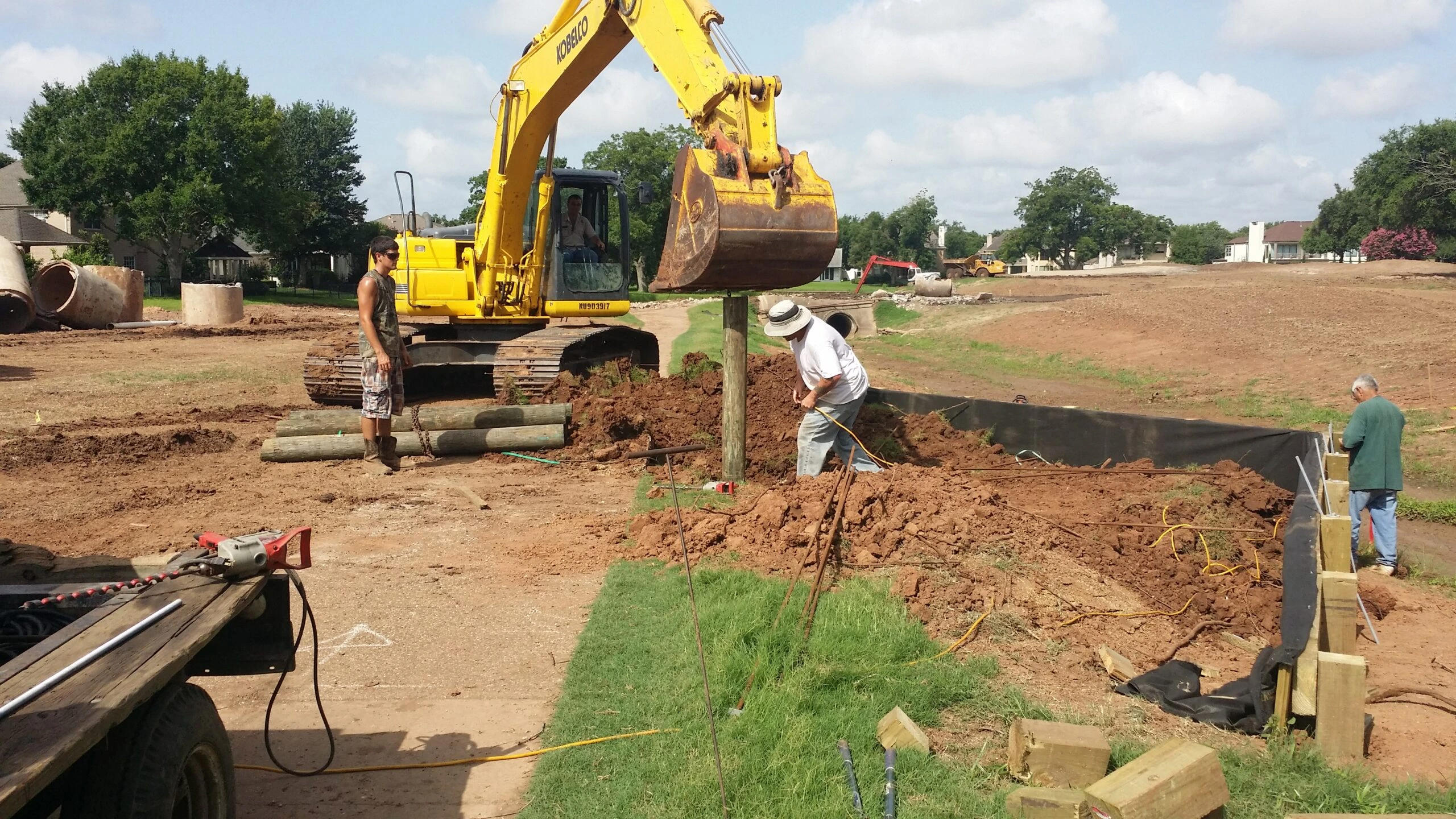
Our bridge work starts where most builders' can't: the foundation. Creek and wetland crossings need piles driven below scour depth in soils that flood seasonally, and our barge-mounted and land-based driving equipment handles crossings over open water that conventional contractors have no way to reach. Abutments, framing, decking, and rails are then engineered to the specified load and built from environment-treated timber (or steel where spans demand it) with hot-dip galvanized connections.
We build for homeowners, ranches, HOAs, golf courses, and municipal clients across Greater Houston — from intimate garden footbridges to vehicle-rated spans, including our engineered pier work for the Harris County Flood Control District.
Scour, Flood Loads, and the Details That Keep Bridges Standing
Texas creek crossings fail in floods, and they fail predictably: scour undermines shallow foundations, debris impact loads the structure sideways, and buoyancy lifts under-anchored spans off their supports. We design against each — piles driven to refusal well below the scour line, framing connected for uplift and lateral loads, and deck elevations set with the drainage-way's flood behavior in mind.
Longevity on dry days is engineered too: treated timber matched to its exposure, radius-edge decking that sheds water, rail systems built to code heights for the traffic they protect, and hardware that shrugs off the Gulf Coast humidity that eats standard fasteners. The result is a crossing that works identically in year one and year twenty-five.
Related Projects
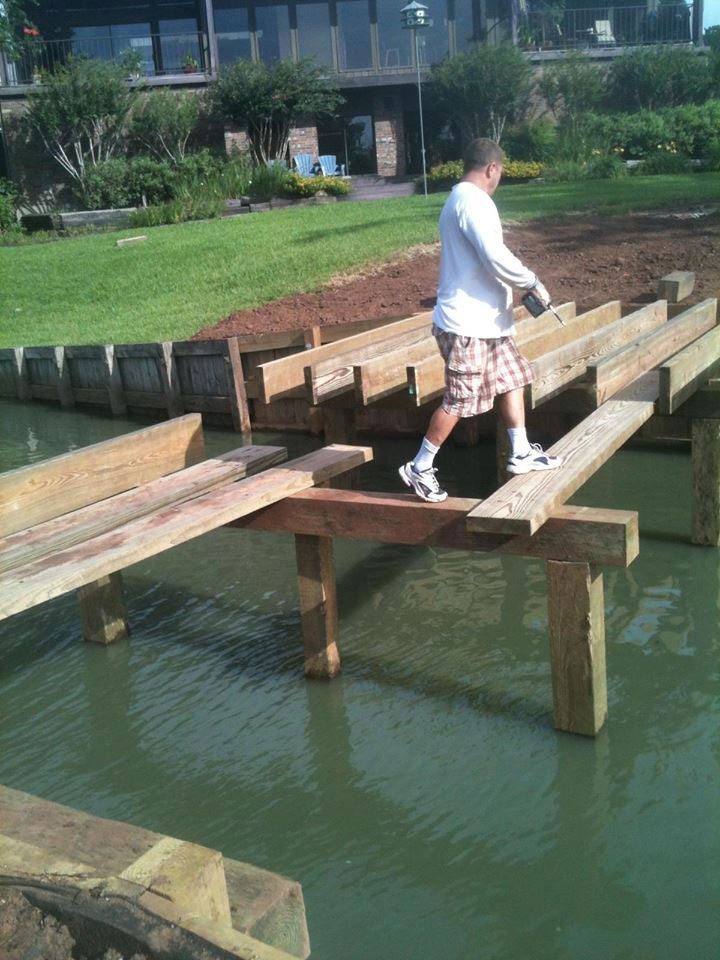
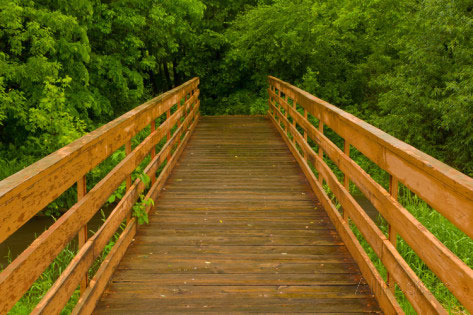
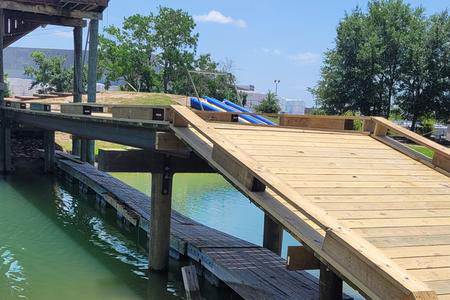
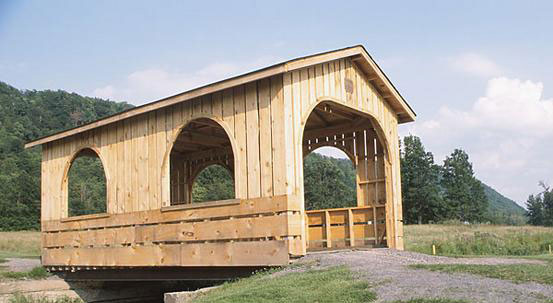
Where We Build Bridges
We build bridges for waterfront communities across Greater Houston, Lake Conroe, Lake Livingston, and the Texas Gulf Coast. A few of the areas we serve:
Don't see your area? View all service areas or contact us.
Bridges FAQs
Can your bridges carry vehicles?
Yes. We build pedestrian footbridges as well as spans engineered for golf carts, light vehicles, and equipment. The design is matched to the load you specify.
Do you build bridges over water?
Yes — our marine pile-driving capability lets us build crossings over creeks, bayous, ponds, and wetlands, not just dry ravines.
How much does a private bridge cost?
Cost scales with span length, design load (pedestrian vs. vehicle-rated), foundation conditions, and access for equipment. A 20-foot garden footbridge and a 60-foot vehicle-rated creek crossing are entirely different projects. We provide free assessments and itemized estimates for your specific crossing.
Do I need a permit to build a bridge over a creek in Texas?
Frequently, yes — crossings over waterways can involve county drainage review, floodplain permitting, and in some cases USACE jurisdiction over waters of the U.S. Requirements depend on the specific waterway and county. We identify what applies to your crossing and handle the process.
Can you build a bridge rated for vehicles or emergency access?
Yes. We engineer spans for the load you specify — golf carts, mowers, pickups, or emergency apparatus — with foundations, framing, and decking sized accordingly. Tell us the heaviest thing that will ever cross, and we design to it with margin.
How do you build a bridge over water without wrecking the banks?
Our barge-mounted pile driving lets us set foundations from the water itself, and we sequence construction to minimize bank disturbance. On sensitive or permitted sites, that low-impact capability is often what makes the project approvable at all.
Related Services
Get a Free Bridges Estimate
Tell us about your project and we'll provide a detailed, no-obligation estimate. Serving Greater Houston, Lake Conroe, Lake Livingston, and the Texas Gulf Coast.